What Homeowners Should Know Before Installing a New Tarmac Driveway
A new driveway can improve the appearance, accessibility and everyday practicality of a property. Tarmac is a popular choice for homeowners because it creates a smooth, durable surface that can accommodate regular vehicle use. However, achieving a long-lasting result involves more than simply laying a new layer of material.
For homeowners in Caterham, Surrey, understanding the preparation, drainage and installation requirements before starting a tarmac driveway project can help ensure the finished surface is suitable for the property. Careful planning and professional workmanship are essential to creating a driveway that performs well over time.
Important Considerations Before Installing a Tarmac Driveway
Before installation begins, the existing ground conditions and intended use of the driveway should be assessed. These factors influence how the surface needs to be constructed and what preparation will be required.
Assessing the Existing Ground and Sub-base
The foundation beneath a tarmac driveway is one of the most important parts of the installation. If the ground is unstable or the existing sub-base is damaged, the finished surface may develop cracks, dips or uneven sections.
A suitable sub-base provides support and helps distribute the weight of vehicles across the driveway. Before laying tarmac, the contractor should assess the existing surface, remove unsuitable material where necessary and prepare a stable foundation.
Skipping this stage or laying tarmac over an inadequate base can lead to premature deterioration, even when the surface material itself is of good quality.
Planning Effective Drainage
Drainage should be considered from the beginning of any driveway project. Rainwater needs to flow away from the property and towards an appropriate drainage point rather than collecting in low areas.
Poor drainage can result in standing water, surface deterioration and moisture-related problems around the driveway’s edges. A properly planned installation considers the natural levels of the ground and incorporates suitable gradients and drainage arrangements.
For properties in Caterham, assessing how the driveway connects with existing paths, gardens and entrances is also important to ensure water is managed effectively.
Choosing a Suitable Driveway Layout
The layout should reflect how the driveway will be used every day. Homeowners may need to consider vehicle access, parking space, turning areas and pedestrian routes.
A well-planned design should allow vehicles to enter and leave comfortably without creating unnecessary obstacles. It should also provide sufficient space for doors to open and for people to move safely between the driveway and property entrance.
Discussing these requirements before installation helps ensure that the finished surface is practical as well as attractive.
Understanding the Tarmac Installation Process
A professional tarmac driveway installation usually involves several stages:
- Site preparation: The existing surface and unsuitable ground materials are removed where required.
- Ground preparation: The area is levelled and the sub-base is installed or repaired to provide adequate support.
- Edging and drainage: Suitable edge restraints and drainage arrangements are put in place.
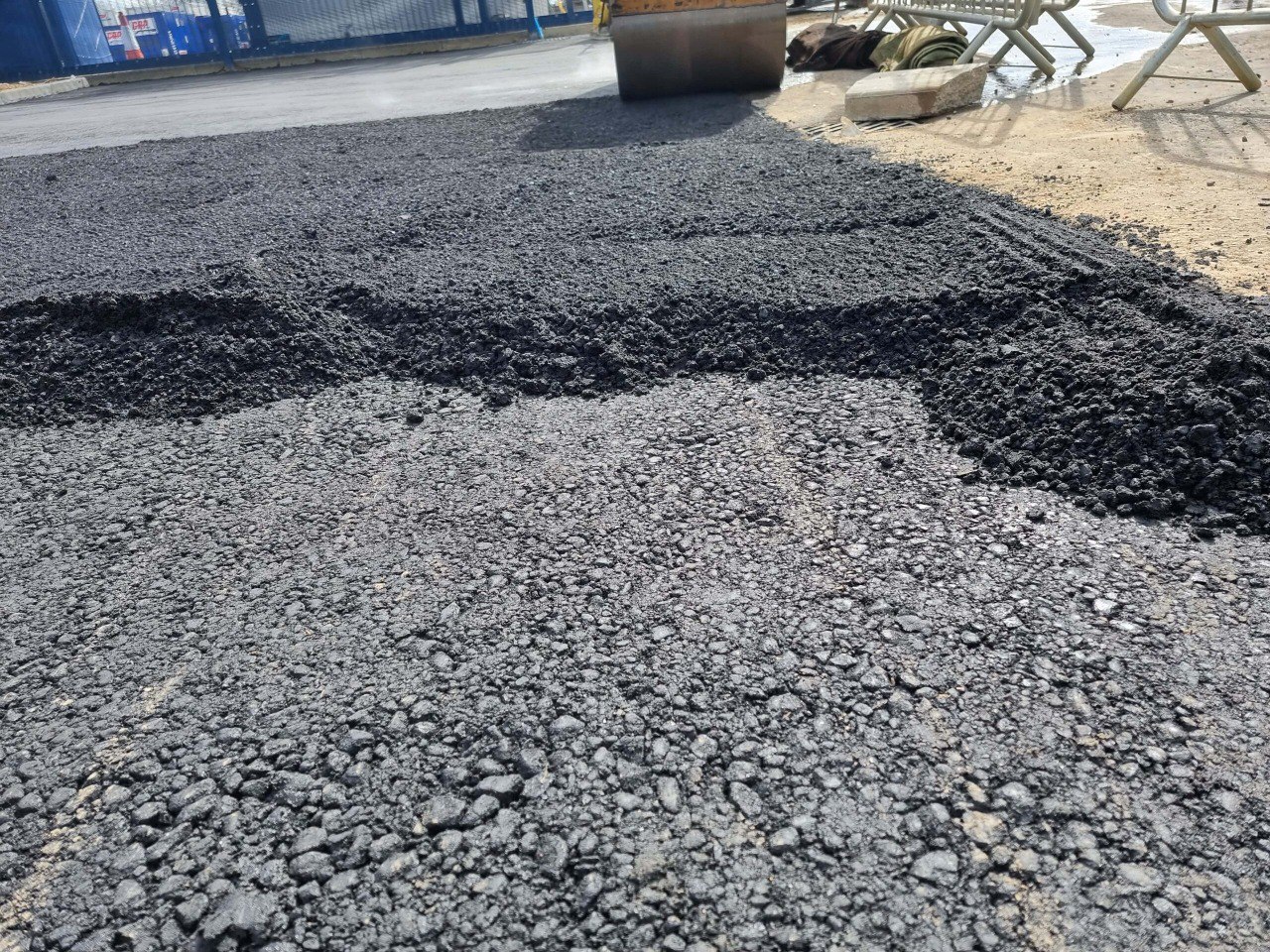
- Tarmac application: The material is laid evenly across the prepared area.
- Compaction and finishing: The surface is compacted to create a consistent finish and suitable levels.
Each stage contributes to the quality and durability of the completed driveway. Rushing the preparation or compaction process can affect how well the surface performs.
Considering Edging and Surface Boundaries
Driveway edges help contain the tarmac and maintain a defined shape. Without suitable edge support, the material may begin to spread or deteriorate around the perimeter, particularly where vehicles regularly turn or park.
Edging can also create a neat transition between the driveway and surrounding areas such as lawns, paths or garden borders. The most appropriate option depends on the layout and appearance of the property.
Allowing the Surface to Set Before Regular Use
A newly installed tarmac driveway needs time to cool and stabilise before it is subjected to normal vehicle use. The contractor should provide clear guidance on when the surface can be used and whether any temporary restrictions are necessary.
Following these recommendations helps avoid unnecessary marking or movement while the new driveway settles.
How to Maintain a New Tarmac Driveway
Although tarmac is designed for regular use, basic maintenance helps preserve its condition. Homeowners should keep the surface clear of leaves, mud and other debris, particularly around drainage points.
It is also sensible to address small defects before they develop into larger areas of damage. Avoiding unnecessary pressure from heavy or stationary loads in vulnerable areas can help limit surface deformation.
Periodic checks for cracks, standing water and deteriorating edges make it easier to identify maintenance requirements early.
Why Professional Installation Makes a Difference
The long-term performance of a tarmac driveway depends heavily on preparation, material application and workmanship. An experienced driveway contractor can assess the ground, recommend a suitable construction and ensure that drainage and levels are considered before installation begins.
Professional installation also helps create a consistent finish, with properly compacted material and well-defined edges. This attention to detail is important for a driveway that needs to withstand everyday vehicle movements and changing weather conditions.
Conclusion
Installing a new tarmac driveway involves several important considerations, from preparing a stable sub-base and planning drainage to choosing a practical layout and allowing the surface to settle correctly. Getting these details right from the outset helps create a durable, smooth and functional outdoor surface.
If you are considering a new tarmac driveway for your property in Caterham, Surrey, NS Driveways Caterham can assess your requirements and discuss suitable installation options. Contact the team to arrange an assessment and take the next step towards a professionally installed driveway.
Call us on: 01883 779 594
Click here to find out more about NS Driveways Caterham
Click here to complete our contact form and see how we can help with your driveway needs.